Introduction
In today’s fast-paced world, homeowners and designers are always seeking innovative and cost-effective solutions for bathroom renovations. Wet wall bathroom panels are a modern, sleek, and functional solution gaining massive popularity in contemporary bathrooms. These panels, which include products like aqua panels, shower panels, wet wall panels, and PVC panels, are changing how people approach bathroom design and maintenance. Whether you’re upgrading a tired bathroom or embarking on a brand-new renovation, bathroom panels can provide the perfect blend of style, practicality, and durability.
In this article, we’ll explore the advantages, types, and installation of wet wall bathroom panels, and how they stand out as the ultimate solution for modern bathrooms.
What Are Wet Wall Bathroom Panels?
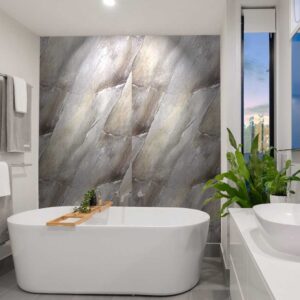
Wet wall bathroom panels are a contemporary alternative to traditional tiling and wall coverings in bathrooms. They are specifically designed to resist moisture and provide a seamless, waterproof finish that helps protect the walls from water damage, mould, and mildew. Wet wall panels are typically made from materials like PVC, acrylic, and high-quality resin composites, making them highly durable, easy to maintain, and resistant to the demanding environment of a bathroom.
One of the key features of wet wall bathroom panels is their versatility. They are available in a range of styles, colours, textures, and finishes, making them adaptable to various bathroom designs. From minimalist modern aesthetics to more traditional or even luxurious appearances, wet wall panels can cater to all tastes and preferences.
Benefits of Wet Wall Panels
1. Durability and Water Resistance
Wet wall panels are incredibly durable and designed to stand up to the challenges of a wet environment. Unlike traditional tiles, which can absorb moisture and are prone to cracking, wet wall panels are made from materials that are completely waterproof, ensuring longevity and functionality. Their ability to withstand constant exposure to water makes them a top choice for shower areas, bath surrounds, and even entire bathroom walls.
2. Easy to Clean and Maintain
One of the main reasons why wet wall panels are so popular is their ease of maintenance. Traditional tiles often require regular cleaning to prevent the growth of mold and mildew in the grout lines. Wet wall panels, on the other hand, feature smooth, seamless surfaces that are much easier to clean. A simple wipe-down with a damp cloth is often all that is needed to keep them looking pristine. This ease of upkeep makes them a practical option for both busy families and individuals seeking a low-maintenance bathroom.
3. Quick and Hassle-Free Installation
Another major advantage of wet wall panels is their straightforward installation process. Traditional tiles require careful placement, grouting, and sometimes the use of specialized adhesives, which can make installation time-consuming and complex. In contrast, wet wall panels are designed to fit together easily, with many options featuring interlocking systems that don’t require any grout. This significantly reduces installation time, meaning that your bathroom can be transformed quickly and with minimal disruption.
4. Aesthetic Appeal
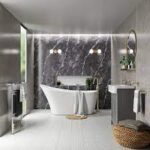
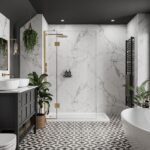
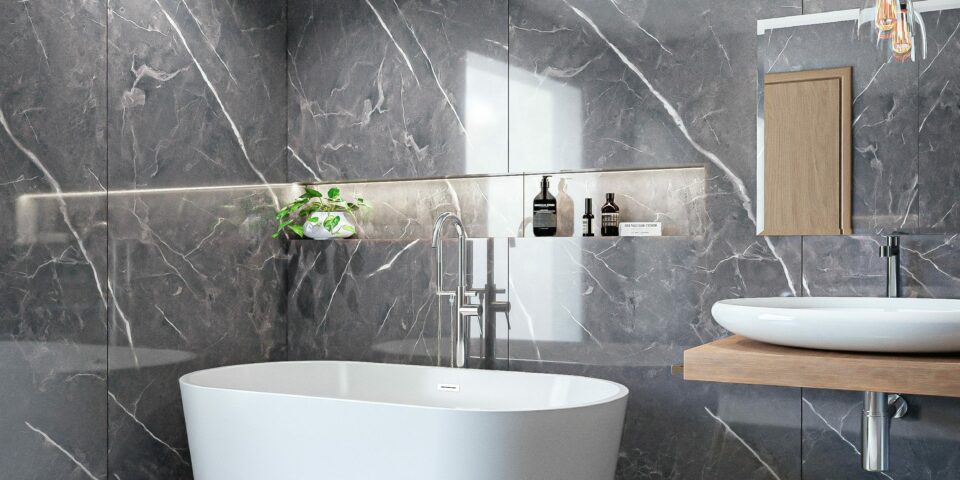
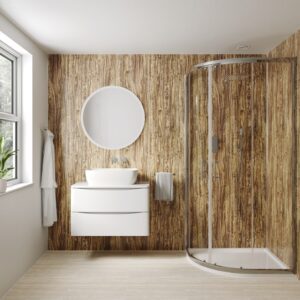
Wet wall bathroom panels come in a wide variety of colours, textures, and finishes to match your personal style. Whether you prefer a clean, modern look with high-gloss panels, a wood-effect finish for a natural feel, or a textured design to mimic stone or marble, there’s a wet wall panel for every taste. These panels can provide a sleek, contemporary look while maintaining the warmth and character of your bathroom.
Additionally, some wet wall panels can be customized with LED lighting strips or decorative borders, adding a touch of luxury and sophistication to your space. The wide array of design options ensures that you can achieve the desired aesthetic for your bathroom without compromising on functionality.
5. Cost-Effective
While wet wall panels are often more affordable than high-end materials like natural stone or marble, they still offer the same premium aesthetic and durability. Installing bathroom cladding or panels typically costs less than traditional tiling due to the quicker installation process and lower material costs. For homeowners on a budget, wet wall panels are a cost-effective solution that doesn’t sacrifice style or functionality.

Types of Wet Wall Bathroom Panels
Wet wall bathroom panels come in a variety of materials, each offering unique features and advantages. The most common types include:
1. PVC Panels
PVC (Polyvinyl Chloride) panels are one of the most popular options for wet wall cladding. These panels are lightweight, affordable, and highly resistant to water, making them ideal for use in bathrooms. PVC panels come in a variety of styles, including glossy, matte, and textured finishes, offering great flexibility in terms of design. Additionally, they are easy to clean and maintain, requiring minimal effort to keep looking fresh.
PVC bathroom panels are also known for their insulating properties, helping to keep the bathroom warm and reducing heat loss. They can be used in shower areas, around bathtubs, or on entire bathroom walls, making them an excellent choice for various applications.
2. Acrylic Panels
Acrylic wet wall panels are another highly durable option. Acrylic is a lightweight, strong material that is resistant to cracking and scratching, which makes it a great choice for bathroom walls that experience high levels of moisture and wear. Acrylic panels are often available in a high-gloss finish, providing a sleek and modern look. These panels are also easy to install and clean, offering long-lasting performance without the need for excessive maintenance.
Acrylic panels can be made to mimic the appearance of other materials, such as wood, marble, or stone, giving homeowners the opportunity to achieve the luxurious look of these materials without the associated cost or upkeep.
3. Composite Panels
Composite wet wall panels are made from a blend of materials, often incorporating PVC, acrylic, and resin. These panels combine the best features of each material, offering excellent durability, water resistance, and ease of maintenance. Composite panels are available in a wide range of designs, including wood-effect finishes, stone-like textures, and glossy solid colours. These panels are perfect for homeowners who want a high-end appearance without the hefty price tag.
4. Aqua Panels
Aqua panels, also referred to as shower panels, are designed specifically for use in wet environments like shower cubicles and wet rooms. Made from high-quality materials that are completely waterproof, aqua panels are an excellent choice for areas that are subject to constant water exposure. They are designed to be easy to install and often come with built-in systems that prevent the growth of mould and mildew, making them a practical and hygienic option for shower areas.

How to Install Wet Wall Bathroom Panels
Installing wet wall bathroom panels is generally a straightforward process, and many DIY enthusiasts can tackle the job with ease. Here’s a basic guide to installing these panels:
- Prepare the Surface: Before starting, make sure the wall surface is clean, dry, and smooth. Any existing wallpaper, tiles, or paint should be removed to ensure proper adhesion.
- Measure and Cut Panels: Measure the dimensions of the walls to determine how many panels you’ll need. Wet wall panels are usually available in standard sizes, but you may need to cut them to fit your specific space. A sharp utility knife or saw can be used for precise cutting.
- Apply Adhesive: Most wet wall panels come with an adhesive backing, but some may require additional adhesive to secure them to the wall. Apply the adhesive evenly across the back of each panel.
- Fix the Panels: Start at the bottom of the wall and press the panel into place. Use spacers to ensure even gaps between panels, if necessary. For interlocking panels, fit the edges together, and press firmly.
- Seal Edges: Once all panels are in place, seal the edges with silicone sealant to prevent water from getting behind the panels.
- Finish with Trim (Optional): You can finish the look with decorative trim or corner pieces for a polished, professional appearance.

Conclusion
Wet wall bathroom panels, including aqua panels, shower panels, PVC panels, and bathroom cladding, represent a modern solution to bathroom design and renovation. They offer significant advantages over traditional tiles, including enhanced durability, ease of installation, and low maintenance. Whether you’re looking to update your shower area, bath surround, or entire bathroom, wet wall bathroom panels provide an affordable, stylish, and practical alternative to traditional tiling.
With a wide range of materials, finishes, and colours available, you can easily find wet wall panels that suit your taste and budget for future. Plus, their quick and easy installation process means you can enjoy your newly renovated bathroom in no time. Embrace the future of bathroom design with wet wall panels – a simple yet transformative upgrade that will last for years to come.