Introduction
Bathrooms are no longer just functional spaces they have evolved into sanctuaries for relaxation and self-care. In the quest to enhance both the aesthetic and functionality of bathrooms, wet wall panels have emerged as an innovative solution. Whether you’re renovating your entire bathroom or just looking to add a fresh touch, installing luxurious wet wall panels can completely transform your space. Among the various types of panels available, aqua panels, shower panels, wet wall panels, PVC panels, and bathroom cladding are the most popular and sought after options. This blog explores why these panels are a great choice for your bathroom upgrade and how they offer a blend of luxury, durability, and practicality.

The Growing Trend of Wet Wall Panels
Wet wall panels have quickly gained popularity due to their many advantages over traditional tiling. Gone are the days when tiling a bathroom was the only option for protecting walls from moisture. Wet wall panels offer a modern, sleek, and low-maintenance alternative that is both practical and luxurious. These panels are designed to withstand the harsh conditions of a bathroom, including high humidity, water splashes, and steam.
What makes wet wall panels a game-changer for bathroom renovation is their ease of installation. Unlike tiles, which require grout, adhesive, and a lot of time, wet wall panels are easy to install, even for those who may not have a lot of experience in DIY projects. The panels are often lightweight and can be installed directly onto the walls, saving both time and labour costs.
What Are Wet Wall Panels?
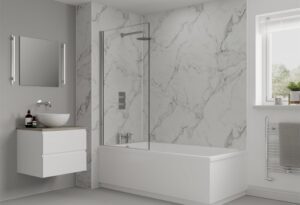
Wet wall panels, also known as bathroom panels or bathroom cladding, are a form of wall covering that is specifically designed for areas that experience high moisture levels. These panels can be used in a variety of settings within the bathroom, including around showers, bathtubs, and even as a full wall covering for the entire bathroom. The most popular materials used for these panels include PVC and acrylic, which are both waterproof and easy to clean.
Unlike traditional tiles, which can trap grime and mould in the grout lines, wet wall panels are seamless. This makes them not only easier to clean but also more hygienic. They offer a sleek, modern finish that creates a clean, polished look in your bathroom.

The Benefits of Wet Wall Panels
1. Waterproof and Durable
One of the main reasons wet wall panels have become so popular is their ability to withstand the moisture-rich environment of a bathroom. Whether you’re installing shower panels or general bathroom wall panels, these panels are specifically designed to be waterproof. Made from materials like PVC, acrylic, or laminate, they can resist water damage and prevent issues like mould, mildew, and rotting that can occur with traditional wall coverings.
2. Easy Installation
Wet wall panels are incredibly easy to install compared to traditional tiling. They come in large, interlocking panels that can be mounted directly to the wall, making installation a breeze. For those who prefer DIY projects, this means you can achieve a luxurious look without the need for professional help. Even if you choose to hire a contractor, the time it takes to complete the job is much shorter than traditional tiling.
The panels are lightweight, which also reduces the overall labour costs associated with installation. No messy grout or adhesive is needed—just a straightforward, clean application that results in an instant upgrade.
3. Minimal Maintenance
Unlike traditional bathroom tiles, which require regular grouting and cleaning to maintain their appearance, wet wall panels require minimal upkeep. Since they don’t have grout lines, there’s less chance for mold and mildew to grow. A simple wipe-down with a damp cloth and a mild cleaning solution is all it takes to keep the panels looking fresh and clean.
The smooth, non-porous surface of the panels ensures that they don’t absorb moisture, and they won’t stain or discolour over time. Whether you choose PVC panels or aqua panels, their durability and resistance to damage make them a long-lasting investment.
4. Aesthetically Pleasing
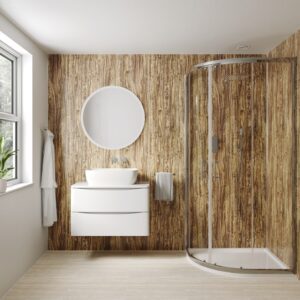
In terms of design, wet wall panels offer endless possibilities. Whether you’re looking for a sleek, modern look with glossy shower panels or a more rustic, natural aesthetic with wood-effect bathroom cladding, there’s something for everyone. These panels are available in various colours, finishes, and textures, making it easy to match your bathroom’s existing decor or create an entirely new vibe.
For those who love the high-end look of marble or stone but don’t want to deal with the maintenance, aqua panels that mimic these materials provide a luxurious finish without the hefty price tag or upkeep.
5. Cost-Effective
While the initial cost of wet wall panels may seem higher than some other options, the long-term benefits and savings are undeniable. There are no ongoing costs for grout cleaning, sealing, or maintenance that you would need with traditional tiles. Additionally, installation is quicker, which saves you both time and money.
Wet wall panels, especially PVC panels, are also cost-effective in the sense that they last longer and resist damage better than other options, making them a great investment for any bathroom.
Types of Wet Wall Panels for Your Bathroom
When it comes to upgrading your bathroom with luxurious wet wall panels, you have several options to choose from. Below are the most popular types of panels that can elevate your bathroom’s style and functionality.
1. Aqua Panels
Aqua panels are a popular choice for wet rooms, showers, and areas prone to high moisture levels. Made from high-quality materials like PVC or acrylic, these panels are not only waterproof but also resistant to the damaging effects of water, steam, and heat. Aqua panels are known for their smooth, seamless finish and are often used in modern bathrooms to create a sleek, high-end look.
The variety of designs available with aqua panels means you can achieve a custom look for your bathroom. From textured surfaces to gloss finishes, aqua panels can be found in a wide array of colours and styles, making them ideal for both contemporary and traditional bathroom designs.
2. Shower Panels
When renovating your shower area, shower panels are a great option. These panels are designed to withstand high-pressure water and are typically thicker than other bathroom wall panels. Shower panels are often made from acrylic, PVC, or composite materials, making them highly durable and resistant to wear and tear.
Shower panels not only improve the aesthetics of your shower area but also make cleaning much easier. With their smooth surface, there are no grout lines to trap soap scum or mould, and they are incredibly easy to wipe down after every use.
3. PVC Panels
PVC panels are a budget-friendly and practical option for bathroom walls. PVC is a highly durable and waterproof material, making it perfect for areas that experience high humidity. These panels come in a variety of finishes, including matte, gloss, and wood-effect, allowing you to create the perfect look for your bathroom.
PVC bathroom wall panels are also lightweight and easy to install, making them an ideal choice for DIY enthusiasts. They offer excellent value for money, providing a high-quality, long-lasting finish without breaking the bank.
4. Bathroom Cladding
Bathroom cladding is a broad term that refers to any kind of material used to cover the walls in a bathroom. This includes wet wall panels, as well as traditional tiles and other materials. Bathroom cladding is often made from waterproof materials like PVC, acrylic, or laminate, and it’s designed to provide a protective barrier against moisture.
Bathroom cladding is available in various styles and finishes, from sleek, modern designs to more traditional or rustic looks. Whether you’re going for a minimalist or a more opulent aesthetic, cladding can add style and sophistication to your bathroom.
5. Bathroom Wall Panels
Bathroom wall panels are the foundation of any bathroom renovation. These panels are designed specifically for use in wet environments and can be used to cover the entire bathroom or just specific areas, such as around the shower or tub. Bathroom wall panels are available in a range of materials, including PVC, acrylic, and composite materials, each offering unique benefits in terms of durability and maintenance.
The versatility of bathroom wall panels makes them suitable for any bathroom design, from contemporary to traditional. Whether you’re looking for sleek, modern shower panels or more textured bathroom cladding, there’s a panel design to suit your needs.
Conclusion
Upgrading your bathroom with luxurious wet wall panels is a smart choice for both aesthetic and practical reasons. Whether you opt for aqua panels, shower panels, PVC panels, or bathroom cladding, these panels offer a wealth of benefits, including water resistance, ease of maintenance, and a modern, sleek finish. By choosing wet wall panels, you can create a luxurious, low-maintenance bathroom that will stand the test of time.