
Introduction
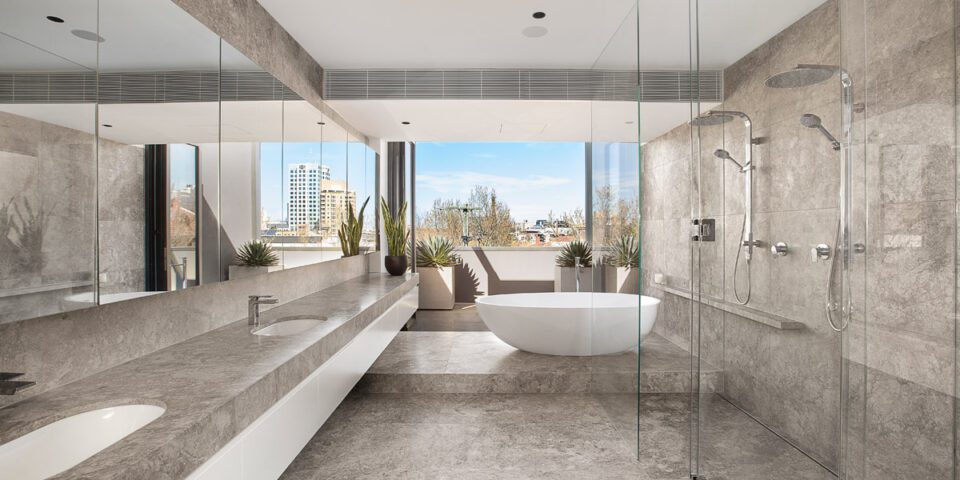
Bathrooms in 2025 are no longer just functional spaces they’re spa-like sanctuaries, reflections of personal style, and showcases of modern materials. One standout trend leading this transformation in UK homes is the rise of wet wall panels. From aqua panels to PVC bathroom cladding, these stylish, practical surfaces are revolutionising how we design and maintain our bathrooms.
In this guide, we’ll explore how wet wall panels are changing the game in modern bathroom design and why they’re set to become the go-to choice for UK homeowners, renovators, and interior designers in 2025 and beyond.

What Are Wet Wall Panels?
Wet wall panels, sometimes known as bathroom wall panels or shower panels, are large waterproof sheets used to cover bathroom walls instead of traditional tiles. They’re typically made from materials like PVC, acrylic, or laminated composite, offering a smooth, watertight surface that’s easy to install and maintain.
Where tiles have grout lines that can trap dirt and mould, wet wall panels deliver a seamless finish that’s both hygienic and visually striking. Available in a vast range of colours, textures, and finishes from marble to matte concrete they give homeowners total design freedom.
The Evolution of Bathroom Design in 2025
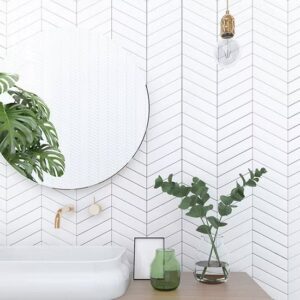
Over the past decade, UK bathroom trends have shifted from purely functional spaces to stylish, low-maintenance retreats. In 2025, the focus is on sustainability, easy cleaning, and aesthetics that rival high-end hotel bathrooms all of which make wet wall panels the perfect fit.
Here’s why this year marks a turning point for bathroom cladding:
-
Time-Saving Installations: Homeowners want quick makeovers without weeks of messy tiling.
-
Waterproof Innovation: New aqua panel technology provides superior moisture resistance.
-
Eco-Conscious Choices: Many PVC panels are now recyclable or made from recycled materials.
-
Stylish Versatility: From glossy white to stone effect, bathroom wall panels now suit every style and budget.
-
Hygiene First: Seamless surfaces prevent mould, mildew, and bacteria growth crucial for modern homes.

Wet Wall Panels vs. Tiles: The Ultimate 2025 Comparison
Tiles have been the go-to bathroom finish for decades, but wet wall panels are proving to be a smarter alternative for many reasons. Let’s break down the differences:
| Feature | Tiles | Wet Wall Panels |
|---|---|---|
| Installation Time | Labour-intensive, takes days | Quick and simple, often a few hours |
| Maintenance | Requires grouting, prone to mould | Seamless, no grout, easy to clean |
| Aesthetics | Limited by tile size and grout lines | Continuous, modern look |
| Durability | Grout can deteriorate over time | Fully waterproof and long-lasting |
| Cost | Higher due to materials & labour | More cost-effective overall |
It’s easy to see why shower panels and bathroom cladding have gained popularity. They not only look sleek but also deliver long-term value with minimal upkeep.
Types of Wet Wall Panels Popular in 2025
In 2025, homeowners and designers have more choices than ever before. Here are the main types dominating UK bathroom design:
1. PVC Wet Wall Panels
Lightweight, affordable, and 100% waterproof, PVC bathroom panels are perfect for cost-effective renovations. They’re easy to cut, fit, and maintain making them ideal for DIY bathroom makeovers.
Modern PVC panels come in stunning finishes like marble, stone, tile effect, and metallic sheen offering premium looks without the premium price.
2. Acrylic Bathroom Panels
If you love a high-gloss, glass-like finish, acrylic panels are your go-to. They’re scratch-resistant and give bathrooms a luxurious, reflective surface. Aqua panels made from acrylic are particularly popular for shower enclosures, as they combine aesthetics with functionality.
3. Laminate Wet Wall Panels
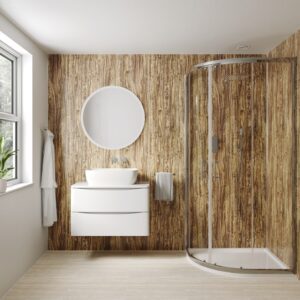
For a more solid, high-end look, laminated bathroom wall panels deliver unmatched durability. They often mimic natural materials such as wood or granite, creating a sophisticated spa-like vibe.
Some premium brands even feature click-lock systems for easy installation and watertight joins perfect for wet rooms.
Top Design Trends for Wet Wall Panels in 2025
Let’s explore how designers and homeowners are using wet wall panels to transform bathrooms in 2025.
1. Minimalist Spa Aesthetics
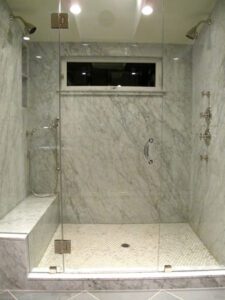
Simple, clean, and serene the spa-inspired bathroom remains a favourite. Neutral PVC panels in shades of white, beige, or soft grey create calming environments that feel both modern and timeless. Add warm LED lighting and bamboo accessories for a complete look.
2. Bold Feature Walls
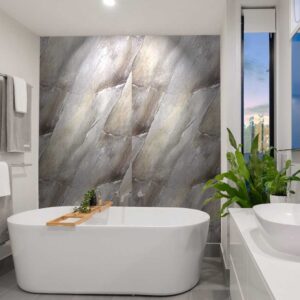
Statement walls are big this year. Think black marble shower panels, textured stone-effect cladding, or bold geometric patterns. Wet wall panels make it easy to experiment with bold visuals without worrying about grout lines ruining the effect.
3. Seamless Wet Rooms
Wet rooms are the epitome of modern luxury. Using aqua panels throughout ensures waterproof protection and sleek continuity between the shower and the rest of the space. This open, barrier-free design trend is ideal for both small and large bathrooms.
4. Natural and Textured Finishes
The trend for organic textures continues in 2025. Homeowners are choosing bathroom wall panels that mimic materials like slate, limestone, or driftwood giving the impression of natural stone or timber while being easier to maintain.
5. Colour Pop Accents
Bright, colourful PVC panels are making a comeback. Blues, greens, and terracotta tones are emerging as a way to add character and personality to modern bathrooms. Many combine vibrant walls with minimalist white fixtures for balance.
The Practical Benefits of Wet Wall Panels
Beyond style, wet wall panels bring undeniable practical advantages that make them the smart choice for 2025 and beyond.
1. 100% Waterproof Protection
Thanks to tight panel joins and waterproof materials like aqua panels, these systems eliminate the risk of water ingress even in high-moisture areas like showers or around baths.
2. Easy Installation
Forget days of tiling and grouting. Bathroom panels can be fitted directly onto existing walls or even over old tiles. Many feature tongue-and-groove edges for quick, secure assembly making them perfect for DIY projects or professional installers alike.
3. Low Maintenance
No grout means no mould. Simply wipe the panels down with a mild cleaner, and your bathroom stays spotless. It’s ideal for busy families or rental properties where easy upkeep matters.
4. Cost-Effective Makeovers
Renovating with wet wall panels is significantly cheaper than retiling. You save on materials, labour, and maintenance costs while still achieving a luxury finish.
5. Insulation and Soundproofing
High-quality PVC and laminate panels also provide extra insulation and reduce noise, making your bathroom quieter and more energy-efficient.
Sustainability in 2025: Eco-Friendly Wet Wall Panels
As sustainability takes centre stage in UK home design, manufacturers are rethinking how they produce bathroom cladding. Many 2025 collections feature recycled PVC, low-emission adhesives, and eco-friendly laminates.
Plus, since wet wall panels last longer and don’t require grout, sealants, or harsh cleaning chemicals, they reduce waste and chemical runoff helping to make bathrooms greener and healthier spaces.
For eco-conscious homeowners, choosing sustainable bathroom panels means combining design innovation with environmental responsibility.

Installation Tips for Wet Wall Panels
Thinking of upgrading your bathroom? Here are a few expert tips for fitting bathroom wall panels successfully:
-
Prep the Walls: Make sure the surface is clean, dry, and flat. You can fit panels directly over tiles if they’re sound.
-
Plan the Layout: Measure twice! Ensure joints and cuts align neatly around fixtures.
-
Use the Right Adhesive: Opt for a strong waterproof adhesive or mechanical fixings.
-
Seal Joints Properly: Apply silicone sealant at corners and joins to prevent leaks.
-
Add Finishing Trims: Use matching trims for a professional, seamless look.
For homeowners who prefer professional help, many UK installers now specialise in wet wall and shower panel systems, offering bespoke solutions for all bathroom sizes.

Where to Use Wet Wall Panels
Wet wall panels aren’t limited to just the shower. They can be used across various parts of your bathroom or even beyond:
-
Shower enclosures: For a sleek, waterproof surround.
-
Around baths: A great alternative to tiling splash zones.
-
Full bathroom walls: To create a hotel-style seamless finish.
-
Ceilings: Yes, PVC panels also make low-maintenance ceiling solutions.
-
Utility rooms or cloakrooms: Perfect for damp-prone areas.
This flexibility makes bathroom cladding a go-to solution for a variety of spaces in 2025 home design.

Popular Finishes and Styles in the UK Market
Here are some of the best-selling and most sought-after bathroom panel looks in 2025:
-
Marble Effect Panels: A timeless luxury aesthetic that’s lighter and cheaper than real marble.
-
Matte Concrete: Perfect for industrial and contemporary spaces.
-
Gloss White & Neutral Tones: Clean and modern ideal for minimalist bathrooms.
-
Woodgrain Effects: Warm and rustic, great for Scandinavian-inspired interiors.
-
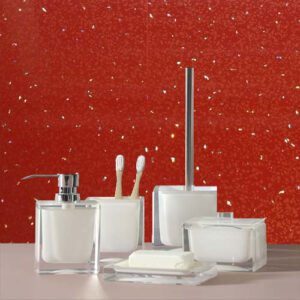
Sparkle and Metallic Panels: Add glamour with reflective, glitter-infused finishes.
The beauty of wet wall panels lies in their design diversity. Whether you want a traditional feel or an ultra-modern look, there’s a style for every taste.

Why 2025 Is the Year of the Wet Wall Panel
So, why are wet wall panels, aqua panels, and bathroom cladding dominating 2025 bathroom trends in the UK?
Because they perfectly balance style, practicality, and sustainability. They offer:
-
A luxury finish at a lower cost
-
Faster installation than tiles
-
Waterproof performance ideal for wet rooms
-
Minimal maintenance for modern living
-
Endless design choices to match any interior
In a world where time, cost, and environmental impact all matter, wet wall panels deliver on every front. They represent the next evolution of bathroom design sleek, smart, and sustainable.

Final Thoughts
As UK homeowners continue to prioritise modern aesthetics, hygiene, and sustainability, it’s no surprise that wet wall panels have become a defining feature of 2025 bathroom design.
Whether you choose elegant marble-effect PVC panels, high-gloss acrylic shower panels, or textured bathroom cladding, one thing’s clear tiles are no longer the only option. Wet wall systems are reshaping how we think about bathroom design, making stylish and practical makeovers accessible to everyone.
So, if you’re planning a renovation this year, it might be time to ditch the grout and embrace the future with wet wall panels the smarter, cleaner, and more beautiful way to transform your bathroom.

