Introduction
If you’re planning to refresh your bathroom in 2025, you’ve likely come across wet wall panels also known as bathroom wall panels, aqua panels, or PVC panels. These modern alternatives to traditional tiles have become a favourite in UK homes due to their sleek finish, waterproof properties, and easy installation.
However, while wet wall panels can completely transform your bathroom, many homeowners make simple but costly mistakes when choosing, buying, or fitting them. From picking the wrong material to overlooking key installation details, these errors can lead to wasted money and disappointing results.
In this guide, we’ll cover the 10 most common mistakes to avoid when choosing wet wall panels, so you can enjoy a stunning, low-maintenance bathroom for years to come.
1. Choosing the Wrong Material
One of the biggest mistakes people make is not understanding the different types of wet wall panels available.
You’ll commonly see terms like PVC panels, laminated panels, aqua panels, and acrylic panels but they’re not all the same.
-
PVC Wet Wall Panels – Lightweight, cost-effective, and ideal for most home bathrooms.
-
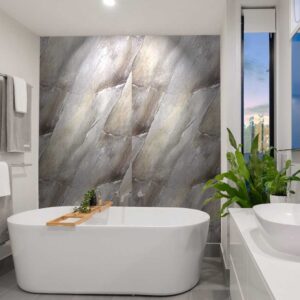
Laminate Wet Wall Panels – Thicker, stronger, and offer a premium look that mimics natural materials like marble or stone.
-
Acrylic Panels – High-gloss and ultra-modern, but more expensive and require precise fitting.
-
Aqua Panels – A general term for waterproof bathroom wall panels, suitable for showers and wet zones.
💡 Tip: Always match the panel type to your needs. For high-moisture areas like shower enclosures, go for waterproof aqua panels or laminated wet wall panels for extra durability.
2. Ignoring Bathroom Measurements
Incorrect measurements are one of the most frustrating and costly mistakes when installing bathroom cladding.
Many homeowners underestimate how important accurate measuring is when ordering panels. Even being off by a few millimetres can cause gaps, leaks, or misaligned joints.
To avoid this:
-
Measure height and width of each wall section individually.
-
Allow for trimming and overlaps where panels meet.
-
Double-check if your wet wall panels come in standard sizes (usually 2400mm x 1000mm or 2400mm x 1200mm).
📏 Pro Tip: Always order at least one extra panel just in case of cutting errors or future repairs.
3. Overlooking the Subsurface Preparation
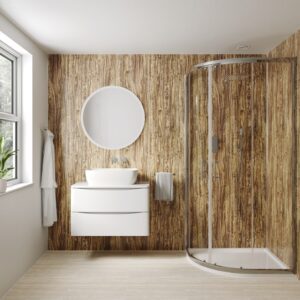
Installing shower panels directly onto a poorly prepared surface is another mistake that leads to problems later.
Even though bathroom wall panels are designed to hide imperfections, the surface underneath still needs to be clean, smooth, and dry. Uneven or damp walls can affect adhesion and may cause warping or mould growth.
Before installation:
-
Remove any loose paint, tiles, or debris.
-
Treat existing mould and damp patches.
-
Ensure the wall is level before fitting your wet wall panels.
💧 Remember: Wet wall panels are waterproof but only when properly sealed and installed on a stable base.
4. Neglecting the Type of Finish and Design
Choosing the wrong finish is another common pitfall. Many homeowners pick a design based on looks alone without considering practicality.
For example:
-
Gloss panels look luxurious but show watermarks more easily.
-
Matt or textured finishes are more forgiving and require less cleaning.
-
High-shine acrylic panels reflect light beautifully but can scratch easily if cleaned with harsh materials.
When choosing your bathroom cladding, consider:
-
The lighting in your bathroom.
-
The amount of daily use (family bathrooms need durable finishes).
-
The style you want from marble-effect bathroom panels to modern concrete-look wet wall panels.
🎨 Pro Tip: Request free samples before buying this helps you see how the panel looks under your bathroom lighting.
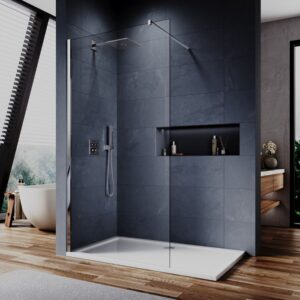
5. Forgetting About Sealing and Waterproofing
A common misconception is that wet wall panels are waterproof on their own but the truth is, the joints and seals are what keep water out.
Skipping or rushing the sealing process can cause leaks and water damage behind the panels.
Make sure to:
-
Use a quality sealant around all panel edges, corners, and joins.
-
Fit trims and corner profiles designed for your specific panel system.
-
Avoid silicone that discolours over time use one that’s mould-resistant.
🛠️ Pro Tip: Pay special attention to the lower edges near the shower tray or bath that’s where leaks most often begin.
6. Buying Cheap, Low-Quality Panels
Everyone loves a bargain, but when it comes to bathroom wall panels, cheaper isn’t always better.
Low-cost PVC panels often use thinner material (sometimes under 5mm) and weaker interlocking systems. These can flex, crack, or even discolour over time, especially in hot, steamy environments.
High-quality wet wall panels are typically thicker (8–10mm), more rigid, and come with a longer warranty.
💡 Tip: Look for panels with tongue-and-groove locking, anti-mould properties, and a moisture-resistant core. Reputable UK suppliers often provide certification and product guarantees.
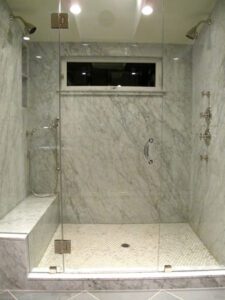
7. Not Considering Installation Method
Many homeowners underestimate the importance of installation method when choosing bathroom cladding.
You can either:
-
DIY install using adhesive and sealant.
-
Professional fit ideal for larger bathrooms or complex layouts.
Mistakes during installation, such as using the wrong adhesive or cutting panels inaccurately, can cause long-term issues like panel lifting or water seepage.
Before starting:
-
Confirm the recommended adhesive for your panel material (some adhesives react badly with PVC).
-
Use proper panel trims for internal/external corners and end caps.
-
Follow manufacturer instructions closely.
⚙️ Pro Tip: If it’s your first time fitting wet wall panels, start with a smaller section or hire a professional installer.
8. Not Matching Panels to Bathroom Use
Not every bathroom is the same a family bathroom, en-suite, or rental property each has different demands.
For example:
-
Family Bathrooms: Go for durable PVC or laminate panels that resist scratches and stains.
-
Luxury En-suites: Choose acrylic or marble-effect panels for a high-end finish.
-
Rental Properties: Opt for easy-to-clean bathroom wall panels that can handle frequent use.
If you choose the wrong type, you might end up with panels that wear down too fast or look out of place in your design.
🏠 Pro Tip: Think long-term pick wet wall panels that balance aesthetics, durability, and maintenance.
9. Forgetting Ventilation and Maintenance
Even though shower panels are waterproof, your bathroom still needs proper ventilation to prevent condensation and mould.
Poor ventilation can lead to moisture build-up behind the panels, eventually causing unpleasant odours or damage.
To prevent this:
-
Use an extractor fan or ensure windows can open for airflow.
-
Wipe down bathroom panels after showers to prevent water spots.
-
Clean regularly using mild soap and soft cloths avoid abrasive cleaners that scratch PVC panels.
🧼 Maintenance Tip: Never use bleach or scouring pads they can dull the surface of aqua panels over time.
10. Ignoring Long-Term Style and Colour Choices
Your bathroom is one of the most frequently used rooms in the home and bathroom cladding isn’t something you replace every year.
Many people choose bold colours or trendy designs that quickly fall out of style. Others pick overly neutral tones that make the space feel flat.
To get it right:
-
Choose timeless finishes like marble, stone, or subtle textured greys.
-
Complement your fixtures and flooring.
-
Think about future buyers neutral designs appeal to more people if you sell your home.
🎯 Pro Tip: Use feature walls strategically. Combine bold wet wall panels behind the shower with neutral PVC panels elsewhere for balance.

Bonus Tip: Not Comparing Suppliers
With the rise in demand for bathroom wall panels across the UK, not all suppliers offer the same quality or service.
Before buying:
-
Check customer reviews.
-
Compare delivery options and return policies.
-
Look for UK-based suppliers who meet British quality standards.
Reliable suppliers often provide installation guides, aftercare advice, and sample kits signs that they stand behind their products.
Conclusion
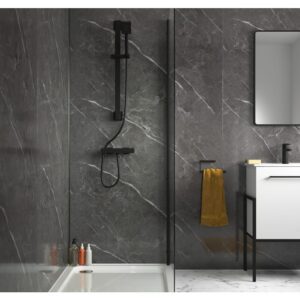
Wet wall panels, aqua panels, and PVC bathroom cladding have revolutionised the way UK homeowners design bathrooms in 2025. They’re stylish, hygienic, waterproof, and far easier to maintain than traditional tiles but only if chosen and installed correctly.
Avoiding the 10 common mistakes above can save you time, money, and hassle ensuring your bathroom stays beautiful for years to come.
Whether you’re updating a small en-suite or transforming a full family bathroom, take your time to select high-quality bathroom wall panels that suit your space, budget, and lifestyle.