Introduction
In recent years, wet wall panels have emerged as a game-changer in bathroom design across the UK. Traditionally, tiles have been the go-to choice for bathroom walls, but homeowners and property developers are now recognizing the numerous benefits of bathroom wall panels. From ease of installation to their sleek, waterproof finish, wet wall panels are revolutionizing modern bathrooms. This blog explores the increasing popularity of wet wall panels, including aqua panels, shower panels, PVC panels, and bathroom cladding, highlighting their benefits, applications, and why they are becoming the preferred choice in UK homes.

What Are Wet Wall Panels?
Wet wall panels, often referred to as shower panels or bathroom panels, are large waterproof sheets designed to cover bathroom walls, eliminating the need for traditional tiles. These panels are typically made from PVC, acrylic, or laminate materials, providing a seamless and low-maintenance surface. Unlike tiles, which require grouting, bathroom cladding offers a smooth and hygienic alternative that resists mould and mildew growth.
Why Are Wet Wall Panels Gaining Popularity in the UK?
1. Waterproof and Durable
One of the main advantages of wet wall panels is their 100% waterproof nature. Designed to withstand moisture and humidity, these panels ensure that your bathroom remains dry and free from leaks. Unlike tiles, which can develop cracks over time and allow water to seep through, aqua panels and PVC panels create a watertight seal, making them an excellent choice for bathrooms and shower enclosures.
2. Easy Installation
Bathroom wall panels are incredibly easy to install compared to traditional tiling. With their large sheet design, they can be quickly fixed onto existing surfaces, including plasterboard, wood, or even directly over old tiles. This makes them a cost-effective solution for bathroom renovations, as they significantly reduce labor costs and installation time.
3. Low Maintenance and Hygiene Benefits
Tiles require constant cleaning, especially the grout lines, which tend to accumulate dirt, mould, and bacteria. Wet wall panels eliminate this problem by providing a smooth, seamless surface that is easy to clean with just a damp cloth and mild detergent. This makes bathroom cladding a hygienic option, particularly for households looking to maintain a pristine bathroom environment effortlessly.
4. Aesthetic Appeal
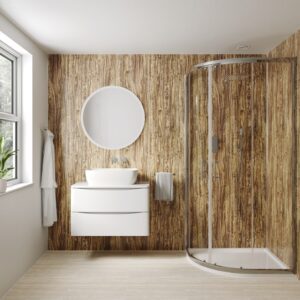
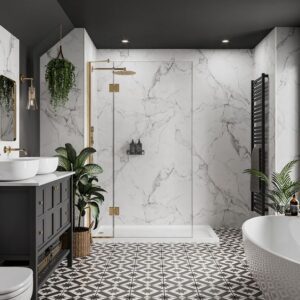
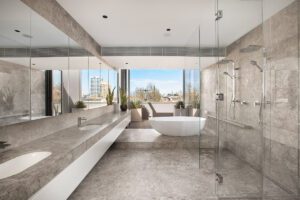
Modern wet wall panels come in a variety of finishes, from marble and stone effects to high-gloss colours and textured surfaces. This versatility allows homeowners to create stunning bathroom interiors without the cost and maintenance of natural materials. Whether you prefer a contemporary look with sleek shower panels or a classic design with wood-effect bathroom panels, there is an option to suit every taste.
5. Cost-Effectiveness
Compared to traditional tiles, bathroom wall panels are a more budget-friendly alternative. The reduced installation time, minimal maintenance costs, and longevity of materials make them a cost-effective investment for homeowners looking to upgrade their bathrooms without breaking the bank.

Different Types of Wet Wall Panels
1. PVC Panels
PVC panels are one of the most popular choices for bathroom cladding. Lightweight, affordable, and easy to install, they offer a waterproof and mould-resistant solution for wet areas. Available in a wide range of colours and patterns, PVC panels are an excellent choice for those seeking a stylish yet budget-friendly bathroom upgrade.
2. Acrylic Panels
Acrylic wet wall panels provide a glossy, modern finish that enhances the overall aesthetics of a bathroom. These panels are durable, impact-resistant, and easy to clean, making them an excellent choice for contemporary bathroom designs.
3. Laminate Panels
Laminate bathroom panels offer a premium look, often replicating the appearance of natural stone or wood. They are highly durable and provide an elegant touch to any bathroom. Although slightly more expensive than PVC panels, laminate options are known for their superior quality and long-lasting appeal.
How to Install Wet Wall Panels
Installing wet wall panels is a straightforward process, making them a preferred choice for DIY enthusiasts and professional installers alike. Here’s a step-by-step guide to installing bathroom wall panels:
- Measure and Cut: Measure the walls accurately and cut the panels to fit using a fine-toothed saw or a sharp utility knife.
- Prepare the Surface: Ensure the wall is clean, dry, and free from dust and grease. Wet wall panels can be installed over existing tiles or plasterboard.
- Apply Adhesive: Use a strong adhesive or silicone sealant on the back of the panels before pressing them firmly onto the wall.
- Secure the Panels: Depending on the type of panels, some may require additional fixings such as screws or clips.
- Seal the Edges: Apply waterproof sealant to the edges and joints to ensure a watertight finish.
- Finishing Touches: Install trims and corner joints where necessary to enhance the overall look and durability of the installation.

Where Can You Use Wet Wall Panels?
While wet wall panels are primarily used in bathrooms, their versatility allows them to be installed in various other spaces, including:
- Shower Enclosures: Shower panels provide a sleek and modern alternative to tiles, reducing maintenance and water damage concerns.
- Kitchen Splashbacks: Easy to clean and water-resistant, bathroom cladding can be used in kitchens as a stylish and practical splashback solution.
- Commercial Spaces: Hotels, gyms, and spas often use wet wall panels for their durability and hygienic properties.
- Laundry Rooms: Moisture-prone areas like laundry rooms benefit from the waterproof properties of PVC panels.
Choosing the Right Wet Wall Panels for Your Home
With so many options available, selecting the right bathroom panels for your space can be overwhelming. Here are some factors to consider:
- Material: Choose between PVC, acrylic, or laminate panels based on your budget and design preference.
- Colour and Finish: Opt for a style that complements your existing decor.
- Thickness: Thicker panels offer better durability and insulation.
- Brand Reputation: Purchase from reputable suppliers to ensure high-quality products and warranties.
Conclusion
Wet wall panels have undoubtedly transformed the way UK homeowners design their bathrooms. With their waterproof properties, easy installation, aesthetic appeal, and cost-effectiveness, bathroom wall panels have become a superior alternative to traditional tiles. Whether you are renovating your bathroom or designing a new space, investing in high-quality wet wall panels like aqua panels, shower panels, or PVC panels can enhance both functionality and style.
By embracing this modern solution, homeowners can create a stunning, low-maintenance bathroom environment that stands the test of time. If you’re considering upgrading your bathroom, why not explore the wide range of wet wall panels available on the market today?